It's winter: prime time to prep for the gardening season
By the calendar, we’re in winter. Which makes it a prime time to prune and get an indoor start on those outdoor plants.


BY SUE FRANCK
The Gleeful Gardener
With such a mild winter, preparations for the 2026 gardening season are already underway here in Ephrata and the Columbia Basin.
Are you itching to get outside to prune shrubs or clean up the yard? If you have trees or shrubs that need reshaping, thinning to encourage new growth, or removal of dead, damaged, or diseased branches, you can get started now. But timing matters.
Many shade trees and most evergreens benefit from dormant-season pruning. However, pine trees and spring-flowering trees are best pruned later — after flowering or during summer. As always, using the right tools and knowing where and how to make proper cuts is just as important as when you prune.
Many gardeners are also eager to remove the old leaves and plant debris that served as protective mulch last fall so their gardens look neat and tidy. But before doing a full cleanup, consider leaving some of that material in place a bit longer.
Leaf litter and natural debris provide important habitat for insects which support the local food chain, improve soil health, and sustain pollinators. Only about 1% of garden insects are considered pests; the rest are beneficial predators, pollinators, or insects that naturally help control populations of other bugs.
Starting seeds indoors is another satisfying way to jump-start the gardening year. Purchasing seeds from reputable sources is recommended, but with proper technique, many gardeners successfully sow seeds saved from the previous season. Some seeds require special preparation before planting, such as scarification (scratching the seed coat) or stratification (a period of cold treatment).
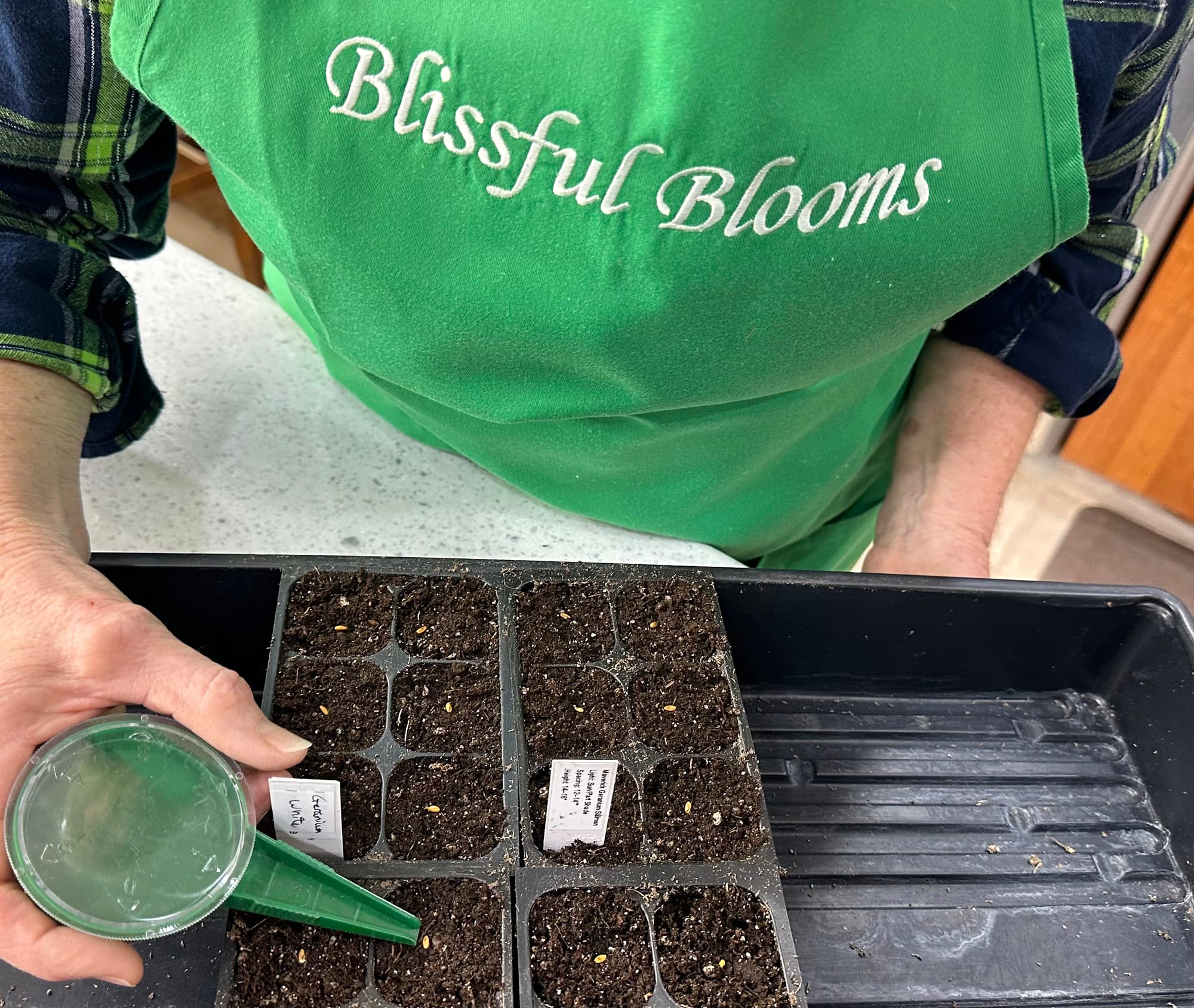
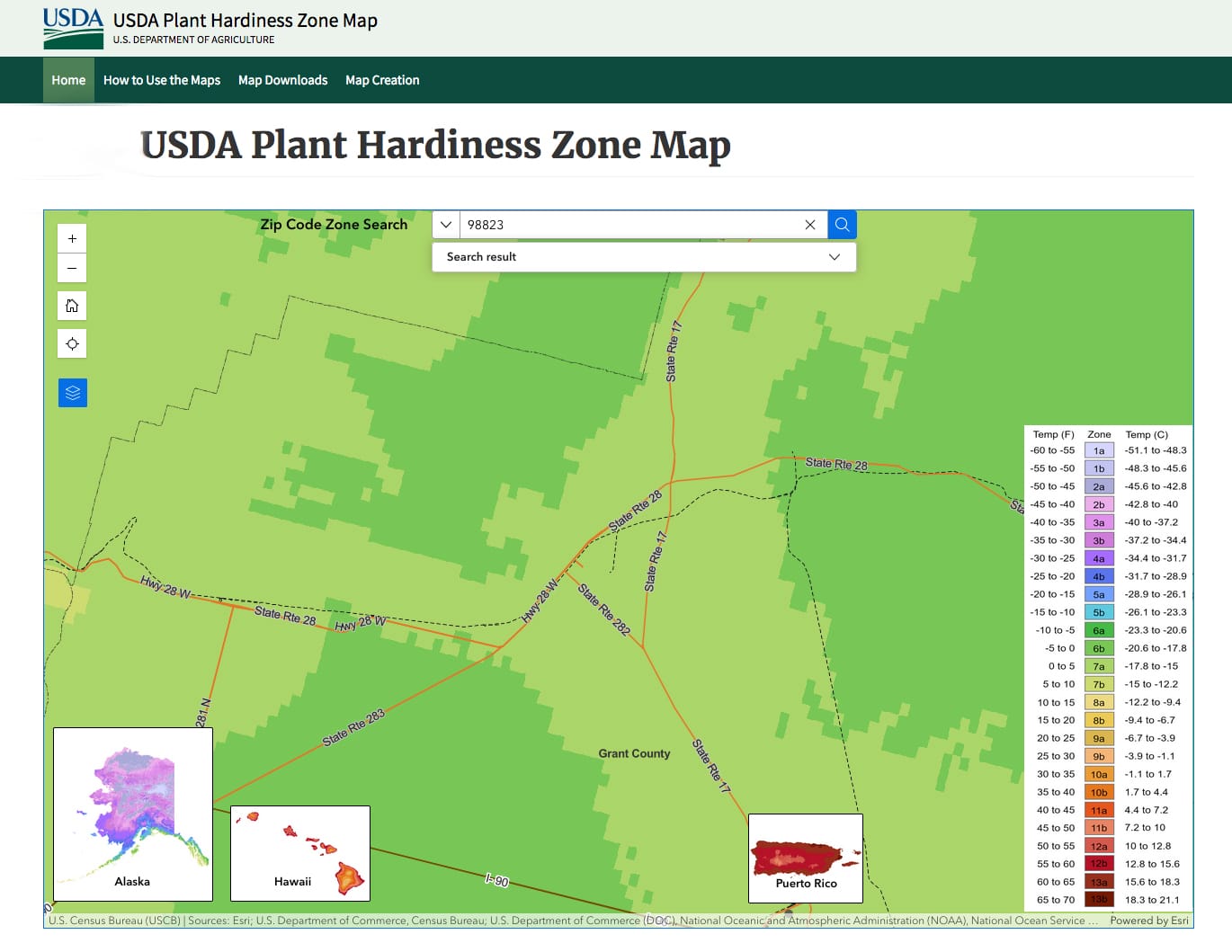
While optimal temperatures may vary, most seeds need warmer soil conditions to germinate. Light is also required for some varieties. Timing your indoor seed-starting is important before transplanting outdoors. In the Ephrata area, we live in USDA Plant Hardiness Zone 6b which says our last plant-damaging frost usually occurs between late April and early May (hint: when the snow is off the Colockum!)
So, check your seed packet for information. Depending on the plant, seedlings may need anywhere from 4 to 16 weeks indoors before they are ready to be transplanted outdoors.
Cold-season crops, such as those in the cabbage family, can often be started indoors in late February and moved outside once soil temperatures are consistently at 50 degrees F. or warmer. Other cool-weather crops — including leafy greens and many root vegetables — can be directly seeded outdoors when soil temperatures range between 45 and 60 degrees. Again, check your seed packets.
By the calendar, we’re still in winter. But if you’re planning to grow plants that need a long indoor start, now is the perfect time to get your hands in the dirt and start gardening with glee!
FEBRUARY TIP BOX
— Sharpen and sanitize pruning tools now. Clean, sharp tools make healthier cuts, reduce disease spread, and make spring tasks easier once growth begins.
— Interested in learning more? Online searches offer many options, but research-based gardening information is most reliable when found on .edu and .org websites, including WSU Master Gardeners. You can also get personalized local advice by emailing WSU Grant-Adams Master Gardeners at ga.mgvolunteers@wsu.edu.
THE GLEEFUL GARDENER
An Ephrata-area resident since 1959, Sue Franck is a retired dental hygienist and certified WSU Master Gardener for Grant-Adams counties. Happiest when getting her hands dirty, Sue operates her seedling business, Blissful Blooms, and has been a vendor at the Moses Lake Farmers Market since 2022, selling vegetable and flower starts. Her column will appear monthly at GCJ.news.