
Plan, prep your garden for a rewarding harvest season
Success begins long before the first seed hits the soil.


BY SUE FRANCK
The Gleeful Gardener
There’s nothing more satisfying than stepping into the garden and harvesting dinner straight from the vine. Seasoned gardeners know this bounty doesn’t happen by accident — it’s a labor of love, rooted in patience and rewarded by steady, attentive care.
If you’re planting your very first vegetable garden, pause and ask yourself: Am I ready to nurture tender seedlings, stay ahead of relentless weeds, water wisely (not too much, not too little), and tend to the countless details that turn sprouts into supper?
Whether you’re a veteran grower or digging in for the first time, success begins long before the first seed hits the soil. Planning and preparing your garden space — whether small or large — is where the harvest truly starts.
If you live in an apartment, don’t let limited space discourage you. A sunny porch, balcony, or deck can become a thriving mini-farm. Vegetables grow beautifully in containers — provided you match the right crop and variety to the right pot size and quality soil. Think ahead to the plant’s mature size and root depth; cramped roots mean stunted growth. With the proper setup, container gardens can be surprisingly productive.
For those with more space, raised beds are another excellent option, especially for gardeners with mobility challenges or yards with poor native soil. With a modest investment, raised beds offer improved drainage, warmer soil in spring, and an extended growing season, allowing you to plant earlier and harvest later than traditional in-ground gardens.
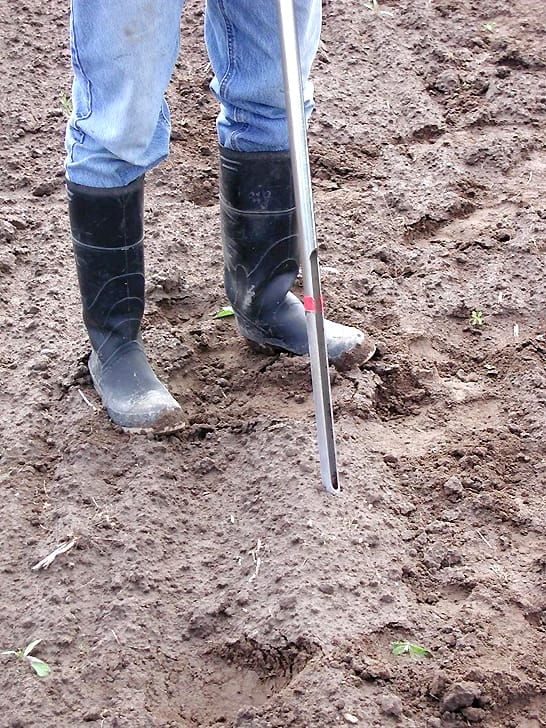
If you’re working with an established garden space, you’ll face an important choice: to till or not to till. Tilling can break up compacted soil and eliminate existing weeds, but it may also bring dormant weed seeds to the surface, inviting a new wave of growth. Leaving soil undisturbed helps preserve beneficial microbes, maintain natural soil structure created by earthworms and old root channels, and encourage a gradual release of nutrients from last season’s mulch. Each approach has its place; understanding your soil’s condition will guide your decision.
Speaking of soil, testing it provides a valuable snapshot of fertility and pH levels, especially when establishing a new garden plot. While soil tests come with a cost, they can prevent wasted time and money on unnecessary amendments. Contact your local soil testing laboratory to learn what services they offer, whether they provide amendment recommendations, and how to properly collect a sample. Sampling is simple but must follow specific guidelines to ensure accurate results.
If you choose to fertilize without testing, most vegetable gardens benefit from a balanced blend of nitrogen, phosphorus, and potassium — the essential trio that fuel leafy growth, strong roots, and abundant fruit.
Understanding your soil type is equally important for proper watering. The three primary soil types — sand, silt, and clay — each behave differently. Loam, a balanced mixture of all three, is the gold standard for vegetable gardening. Think of soil as a sponge filled with pores. Sandy soils have large pores that absorb and release water quickly, often requiring more frequent watering. Clay and silt soils have smaller pores that hold moisture longer but may drain slowly. Many home tests, readily found through reputable gardening publications and instructional videos, can help you estimate your soil’s composition.
Finally, consider incorporating crop rotation into your garden plan. Though it requires forethought and record-keeping, rotating crops offers powerful benefits. Different plants use and replenish nutrients in varying ways, helping maintain soil balance over time. Rotation also disrupts disease cycles and reduces the risk of pest populations taking hold year after year. And fewer pests? That’s a harvest everyone can celebrate.
A thriving vegetable garden doesn’t happen by chance. It grows from preparation, knowledge, and a willingness to tend both soil and plants with intent. Put in the work now, and when you carry that first basket of fresh vegetables into your kitchen, you’ll taste the reward in every bite.
MARCH TIP BOX
~ Start with Smart Planning and Preparation. Carefully evaluate your garden space, choose the right vegetables for your space, and decide whether tilling or no-till practices best suit your soil.
~ Interested in learning more? Online searches offer many options, but research-based gardening information is most reliable when found on .edu and .org websites, including WSU Master Gardeners. You can also get personalized local advice by emailing WSU Grant-Adams Master Gardeners at ga.mgvolunteers@wsu.edu.
ALL ABOUT SUE
An Ephrata-area resident since 1959, Sue Franck is a retired dental hygienist and certified WSU Master Gardener for Grant-Adams counties. Happiest when getting her hands dirty, Sue operates her seedling business, Blissful Blooms, and has been a vendor at the Moses Lake Farmers Market since 2022, selling vegetable and flower starts. Her gardening column appears monthly at GCJ.news.


